Places you must visit
Córdoba has various places that you will love and that are waiting to be discovered. Let yourself be captivated by the richness of its historical heritage, the greenery of its landscapes, and the unparalleled coffee tradition that defines our region.
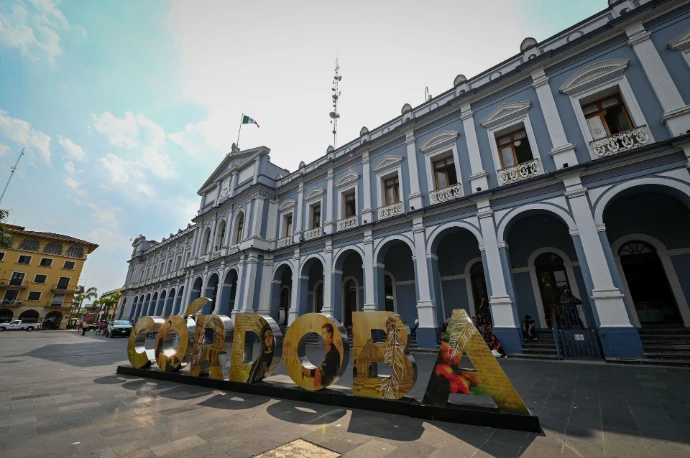
Municipal Palace
Built in 1905, the twenty-one arches at the front of the building symbolize the historic battle of May 21, 1821. Inside, you will find the Córdoba para siempre mural and the city’s historical archives, while a monumental clock crowns the top of the building.
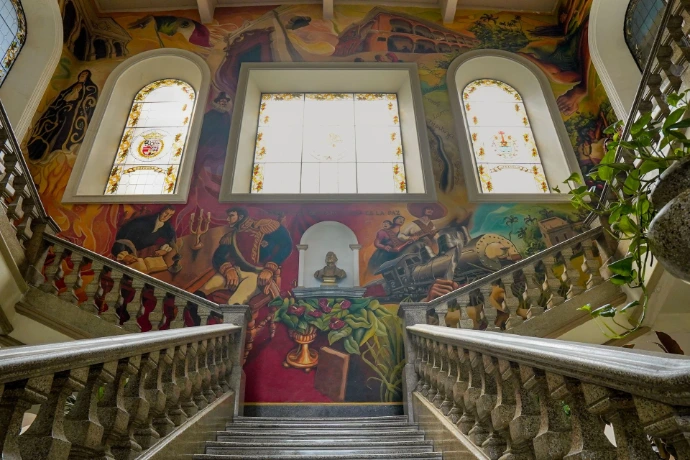
Mural "Córdoba Forever"
This artwork showcases how the city has transformed over the years. Painted by local artist Jaime B. Sánchez Nava, the mural is meant to be read from left to right, depicting the historical events and key figures that define Córdoba's identity.
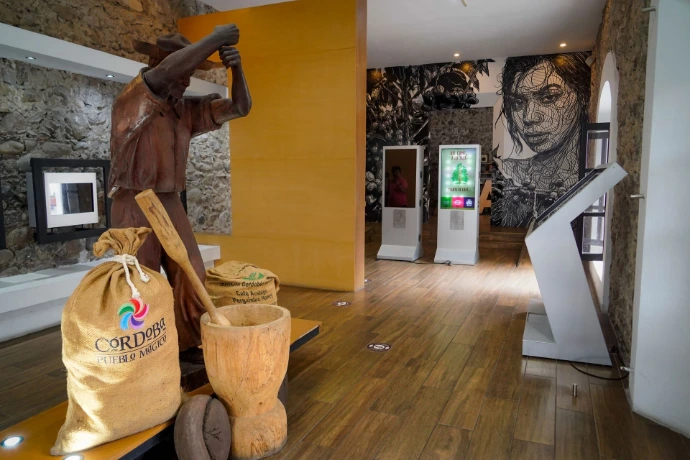
Coffee Museum
Opened in March 2016 and housed in the former Casino Español, this museum offers an interactive look at the coffee journey from bean to cup. The experience ends with a specialty coffee tasting prepared using various brewing methods.
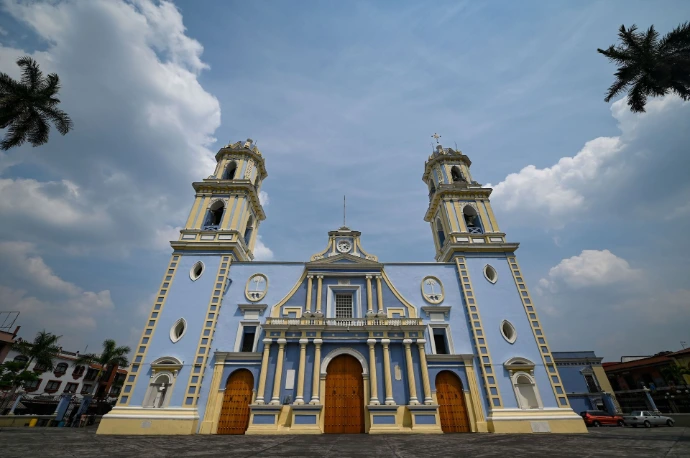
Cathedral of the Immaculate Conception
Construction began on this Neoclassical cathedral in 1621. Inside you will find the city's patron saint, La Virgen de la Inmaculada Concepción (Our Lady of the Immaculate Conception), whose feast day is celebrated on December 8. The cathedral also houses images of La Virgen de Covadonga and La Virgen de la Soledad (Our Lady of Solitude), the latter being the focus of the solemn Procession of Silence on Good Friday.
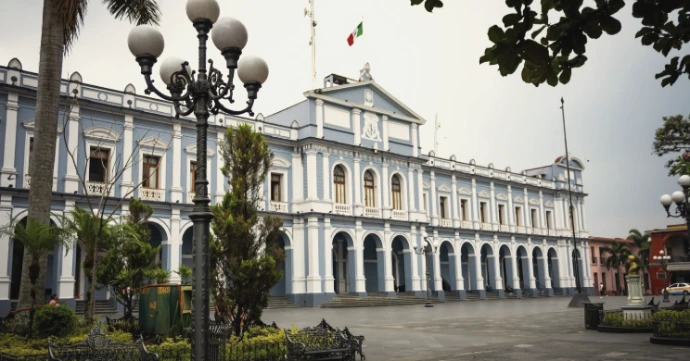
21st of May Park
Originally, this square served as an open-air market (tianguis) where local farmers sold their goods. Over time, its design evolved, and by the late 19th century, it became an English-style park. It was named Parque 21 de Mayo to honor the heroic defense of Córdoba in 1821 during the War of Independence.
Portals of Córdoba
Standing as a witness to major historical events, today they host a variety of restaurants, and they are part of the city's nightlife and entertainment. Visitors can enjoy a unique view while experiencing the region's rich culture through live traditional music and dance performances.
Portal de Zeballos
Built in 1687, the Tratados de Córdoba were signed. Viceroy Juan O’Donojú stayed here and met with Agustín de Iturbide on August 24, 1821, to sign the document in which the Spanish Crown officially recognized Mexico's Independence.
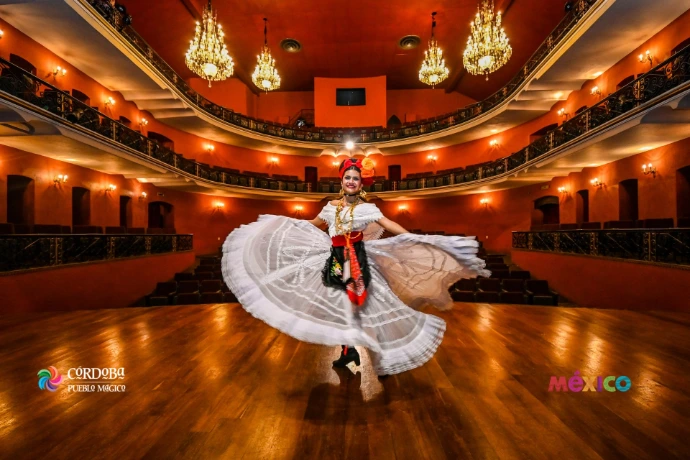
Teatro Pedro Díaz
Inaugurated in 1896 thanks to the initiative of local merchants, it was named after the theater promoter who finalized the project. Its classic horseshoe-shaped structure is typical of the theaters built during the Porfiriato era. Today, it hosts a variety of international events and cultural festivals.
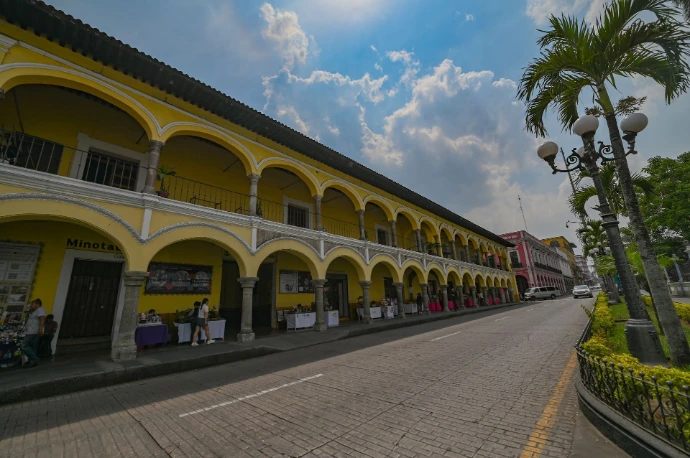
Portal of Glory
Named in honor of the historic events of 1821, this building was also known as La Favorita because distinguished historical guests such as Agustín de Iturbide, Emperor Maximilian, and Empress Carlota preferred to stay here. Today, it houses the Municipal Library and the City Museum.
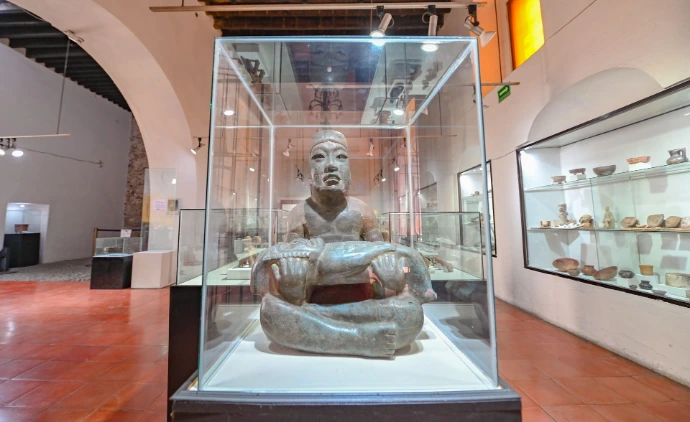
Museum of Córdoba
Construction began in 1699 and was completed on March 19, 1721, a milestone celebrated with a massive local fair that became a tradition until 1915. Unfortunately, just a year after its opening, a devastating fire reduced the church to ashes; it was lovingly rebuilt and restored by 1725.
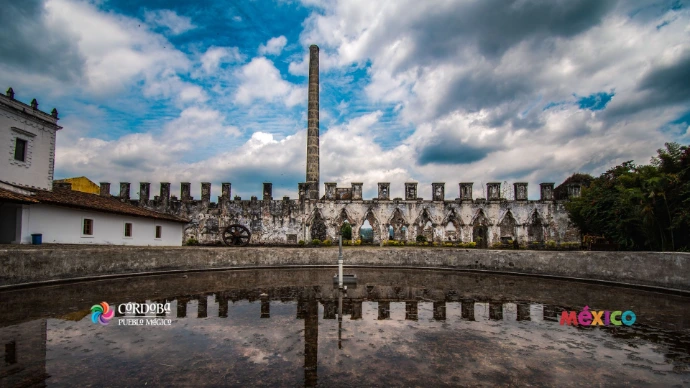
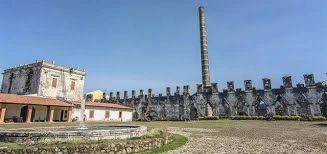
Ex Hacienda San Francisco Toxpan
Its name comes from its patron saint, San Francisco (Saint Francis), and the Nahuatl word Toxpan, which means "Place of the Rabbits." Founded in 1690, this former sugar mill was one of the first and most important in the region. Today, it serves as a major cultural center and houses the "La Zafra" Museum.
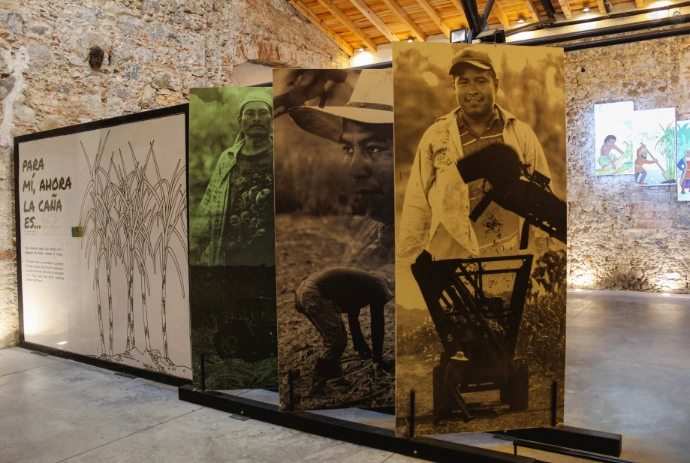
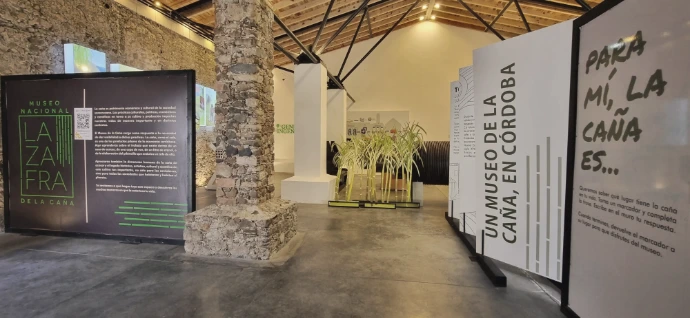
National Museum La Zafra
Opened in 2017, this interactive museum showcases the history, traditional clothing, machinery, and production process behind sugar, panela, and piloncillo (artisanal cane sugar). It also covers livestock feed and sugarcane biofuels, and features a ceramic workshop along its cultural corridor.
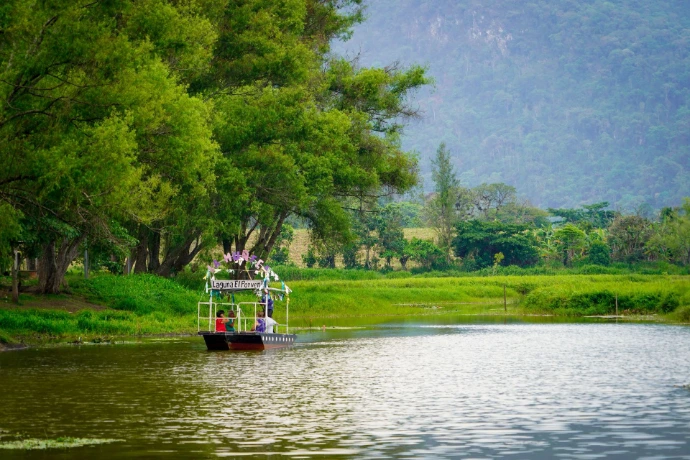
Laguna del Porvenir
Today, local residents manage the conservation and reforestation of this beautiful lake, transforming it into a hub for eco-tourism and family recreation. Visitors can enjoy scenic boat rides on traditional trajineras, alongside delicious regional food and drinks handmade by the local community.
Church of San José
Construction began in 1699 and was completed on March 19, 1721, a milestone celebrated with a massive local fair that became a tradition until 1915. Unfortunately, just a year after its opening, a devastating fire reduced the church to ashes; it was lovingly rebuilt and restored by 1725.
Church of San Miguel Arcángel
Built during the colonial era in the early 18th century, this church has undergone several architectural changes over time. Its last remodeling took place in 1957; while the exterior facade is beautifully simple, it stands out for its vibrant yellow-tiled dome and its richly adorned interior.
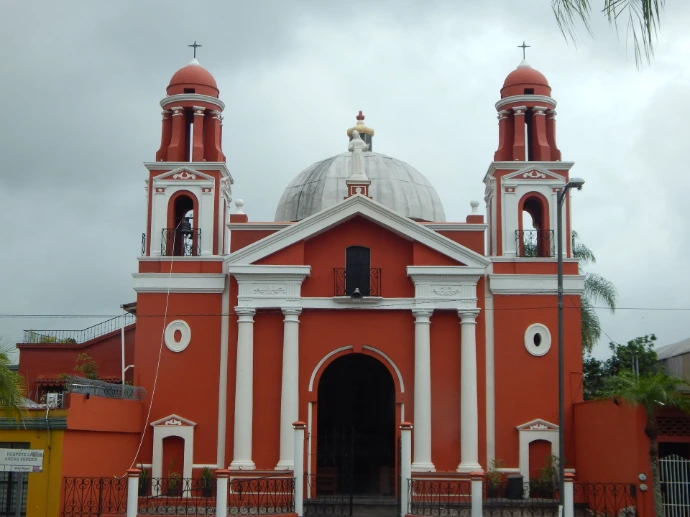
Church of San Sebastian
This church was founded in 1733. The site witnessed crucial historical battles in May 1821 during the final phase of the War of Independence. In 1916, it served as a labor council hall, and its original altars were lost when the Spanish Influenza epidemic severely impacted the town. It sat abandoned for many years until it was repaired and reopened for service two decades later.
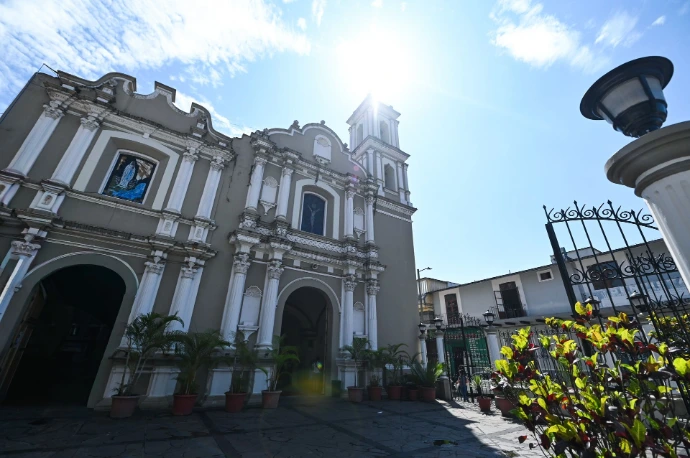
Church of San Antonio de Padua
Construction on this former convent began in 1668 and concluded 1710. During the Cristero War, the chapel served as a military headquarters and was known as the Templo de Nuestra Señora de Lourdes. It later functioned as a fire station until 1973, after which it was restored as a church, with final reconstruction completed in 1997. It still features its original flat vaults considered a masterpiece of engineering of their time and completely unique in Mexico.
Community Tourism
Live the experience, Live Veracruz!
Immerse yourself in the vastness of Veracruz, a state where every region is a vibrant universe waiting to be discovered. From the mystical lands of the Huasteca and the rich Totonac culture to the majesty of the High Mountains and the tropical exuberance of Los Tuxtlas, Veracruz unfolds an endless mosaic of community-based tourism experiences that promise to captivate your senses and connect you with the most authentic essence of Mexico.
Sightseeing tours
Discover the charms of Córdoba through a tour of its most emblematic sites. Our city hosts a fascinating catalog of attractions ranging from imposing architectural structures filled with legend to lush natural reserves ideal for adventure. Explore the must-see points that make Córdoba a unique destination and plan your next getaway with us.
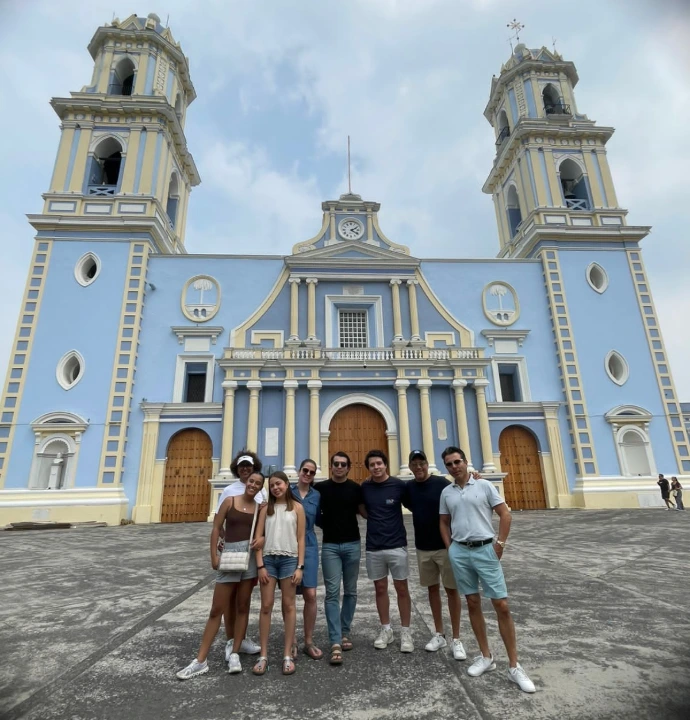
Centro Histórico
Location: Av. 3 Calles 1 y 3.
Contac: Oficina de Turismo (2717124344)
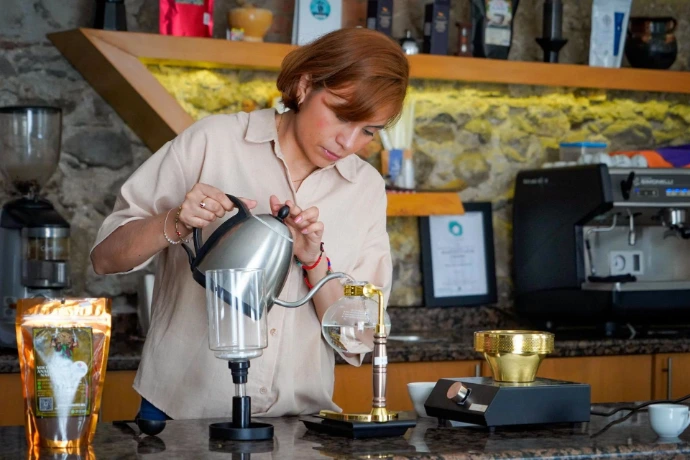
Coffee Museum
Location: Av. 3 Calles 1 y 3. Centro Histórico
Contac: Oficina de Turismo (2717124344)
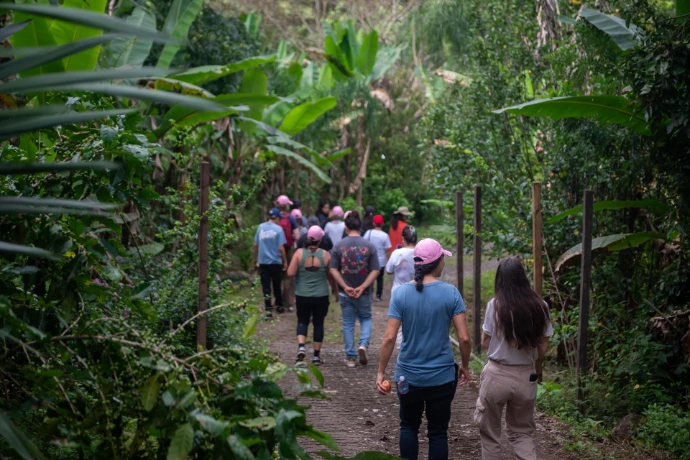
Kitos Coffee Farm
Location: Comunidad San Rafael Caleria
Contac: FB/IG/WEB: Kitos Café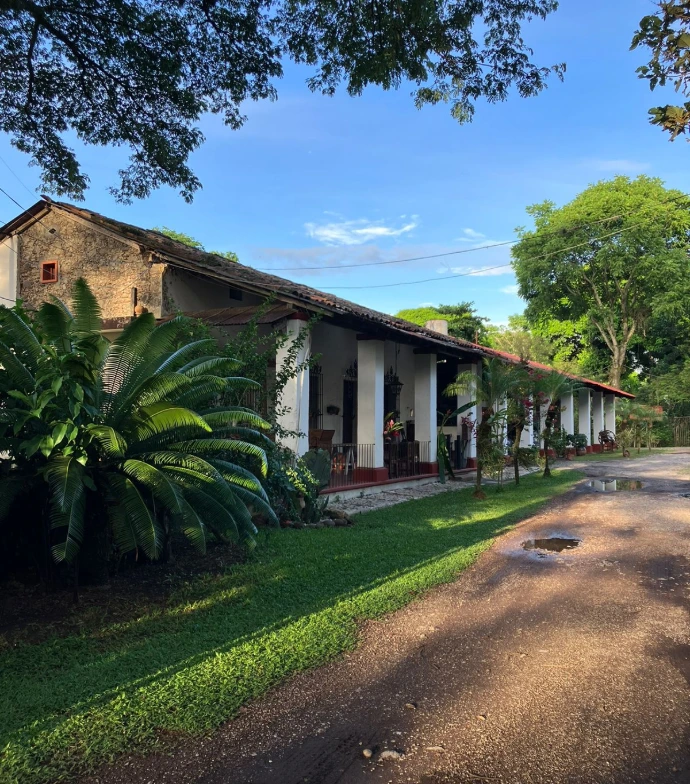
Rancho San Felipe Farm
Location: Comunidad Cuautémoc
Contac: FB/IG/WEB: Rancho San Felipe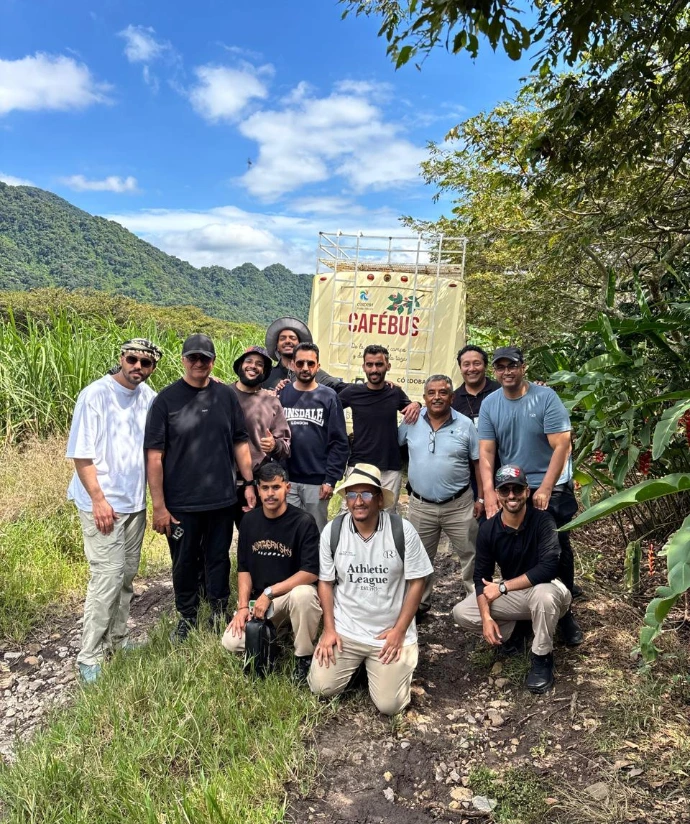
Coffee Farm from My Ranch
Location: Comunidad Sabana Larga
Contac: FB/IG/WEB: Café de mi Rancho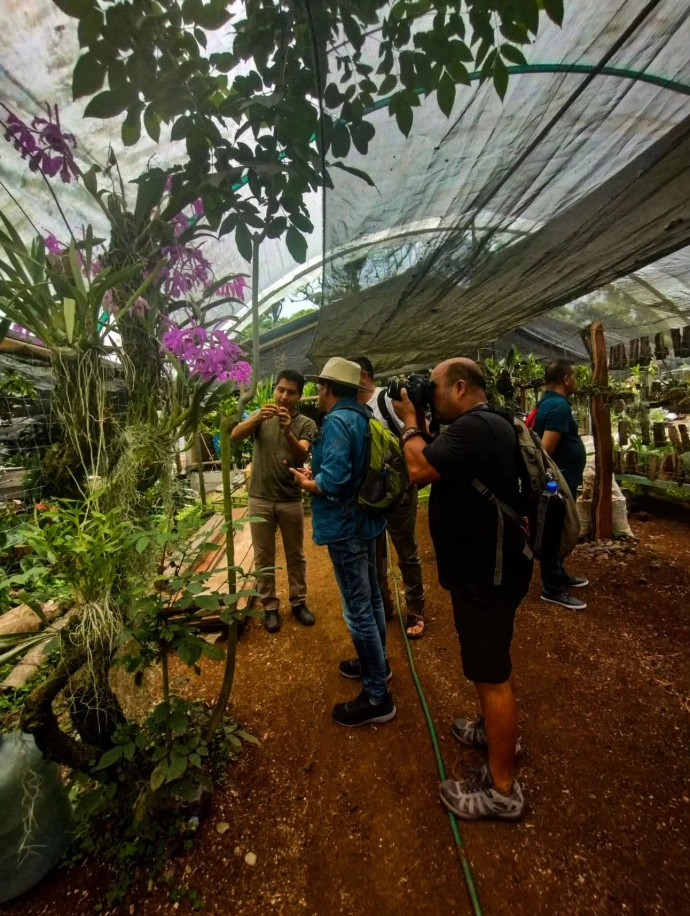
Finca Sam Daniel
Location: Comunidad El Barreal
Contac: FB/IG/WEB: Café San Daniel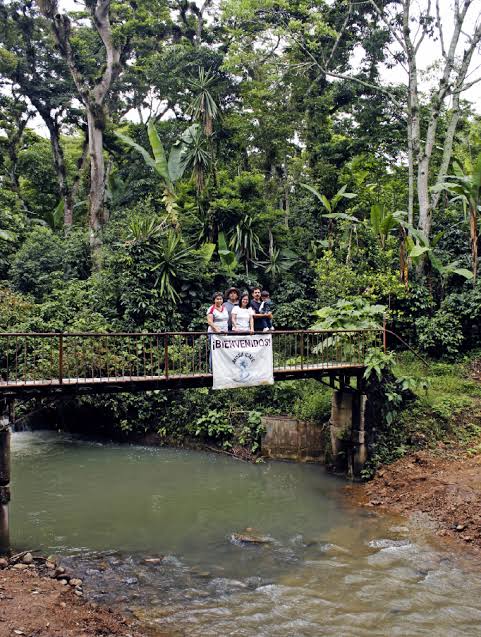
Musa Coffee Farm
Location: Comunidad San Isidro Palotal
Contac: FB/IG/WEB: Musa Café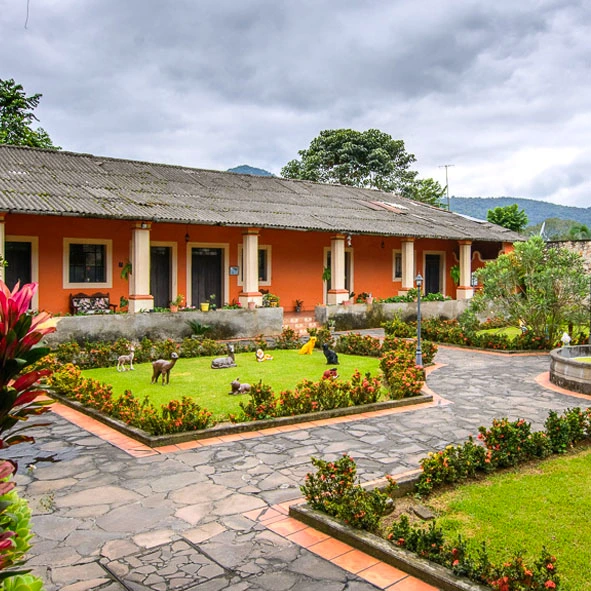
Hacienda Guadalupe Farm
Location: La Patrona, Amatlán de los Reyes (Antiguo Cantón de Córdoba)
Contac: FB/IG/WEB: Haciendo Guadalupe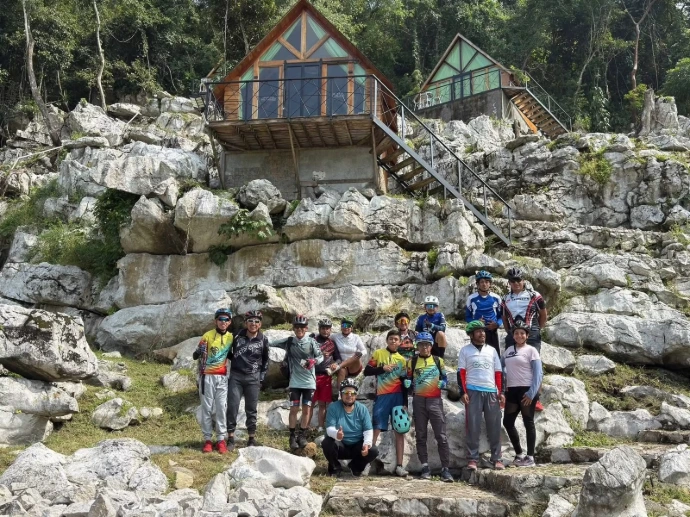
Peñas de Gallego (Hiking)
Location: Camino Rancho Limón
Contac: FB: Las Peñas del Gallego Parque Biótico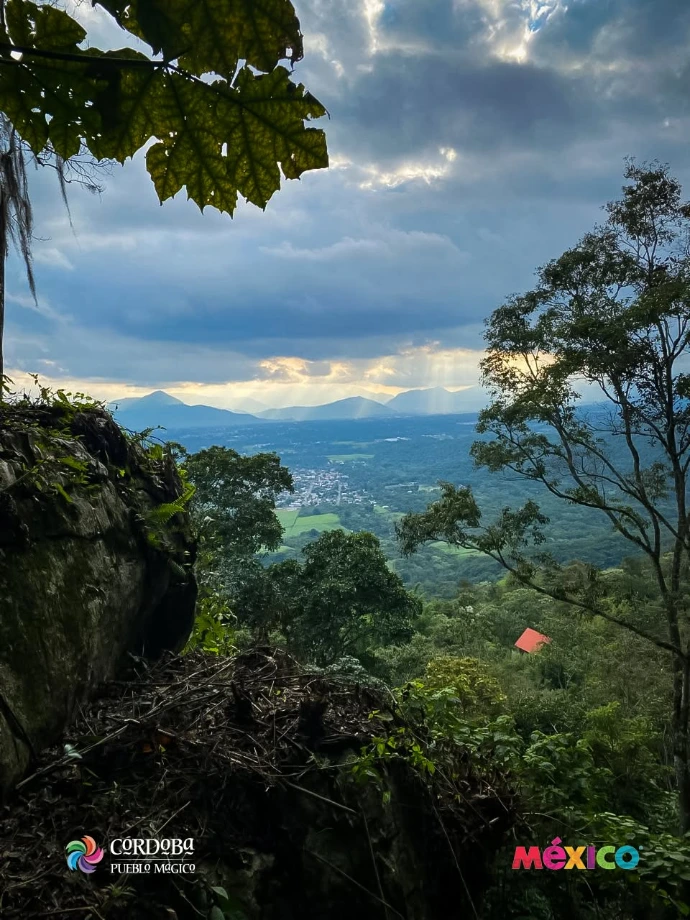
Mirador Azul Cielo (Hiking)
Location: Comunidad Cervantes y Lozada
Contac: FB/IG: Azul Cielo Mirador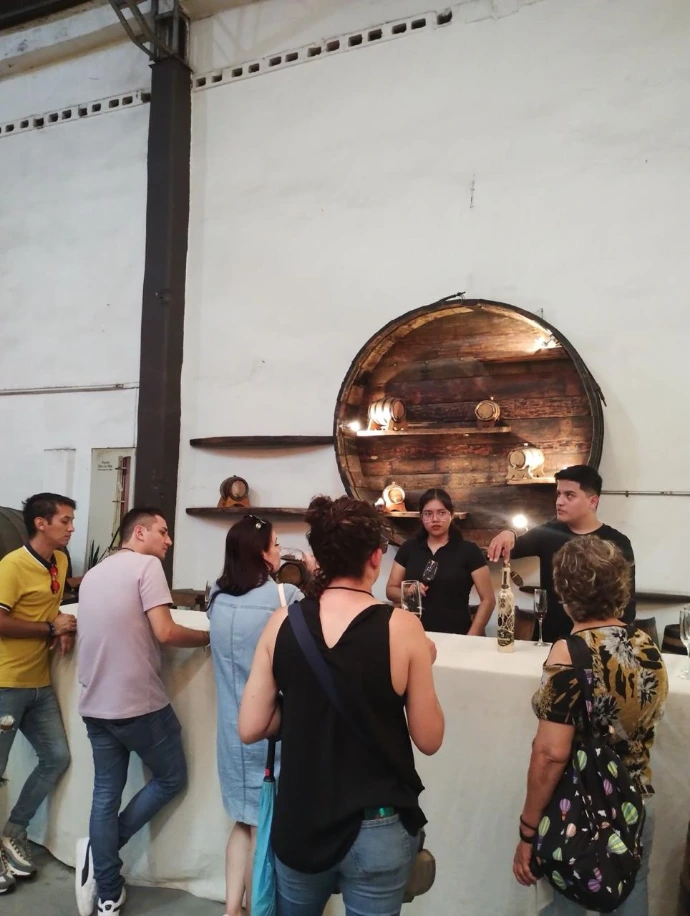
Rum Tour Casa del Ron Mocambo
Location: Zona industrial, Córdoba, Ver.
Contac: Oficina de Turismo (2717124344)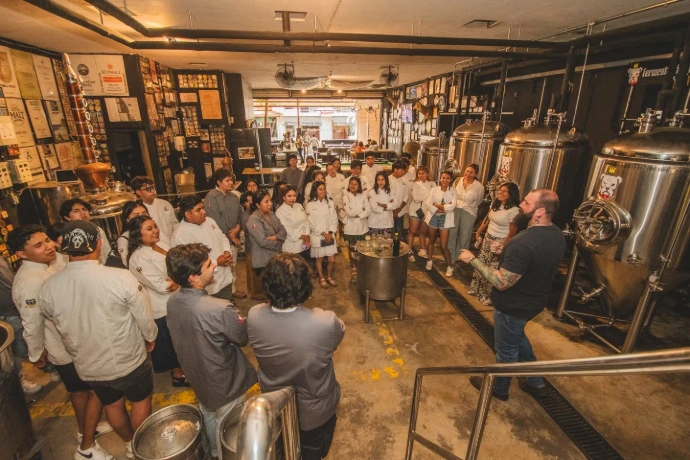
Craft Beer Tour Las Amarguitas
Location: Colonia San Dimas
Contac: Oficina de Turismo (2717124344)